
No products in the cart.
Blog
Why Bracelet Quality Matters More Than Most People Think
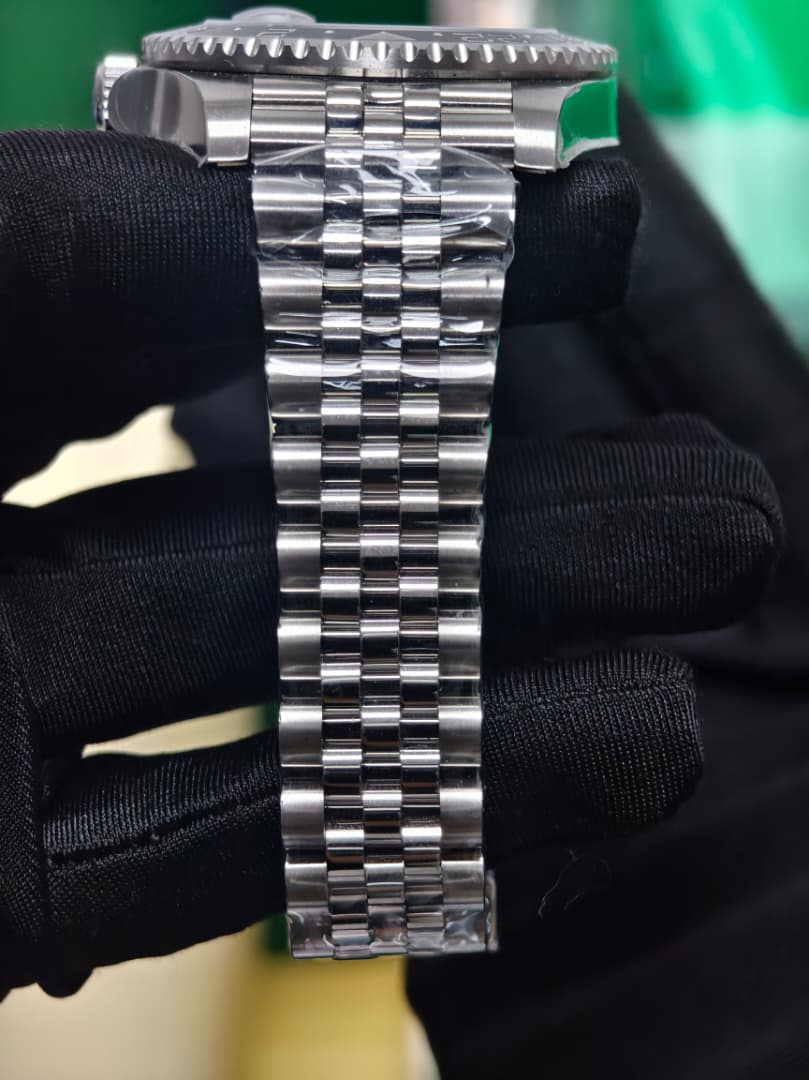
Most people don’t shop for a bracelet first. They scroll for the dial. They pause on the bezel. They look for the movement. Then, the box shows up, the watch goes on the wrist, and suddenly the bracelet is the loudest part of the whole thing.
Three minutes in front of a product page won’t tell you how a bracelet behaves after hours. You don’t touch the dial every hour. You do touch the bracelet. Every adjustment. Every wrist turn. Every time you check the time.
Why the Bracelet Drives the Day-to-Day Experience
The dial can be gorgeous. The movement can be solid. The specs can read perfectly. But if the bracelet feels off, the watch starts to feel off too. That’s not philosophy. It’s physics and comfort.
Good bracelets control comfort. They affect how the watch balances when you move your arm. They change how the case sits against your wrist. And they decide whether the excitement of unboxing turns into an annoyance by day three.
Here’s the part most buyers learn the hard way. The bracelet is the interface. It’s what you live with.
Marketing photos can make almost any bracelet look clean. You’ll see sharp brushing. You’ll see polished center links. You’ll see a clasp that looks neat and centered.
Wear it for a week and the story changes fast. Links that look fine can feel stiff. Edges that look crisp can feel sharper than you expected. A clasp that looked solid can feel loose with every closure. Some bracelets rattle when you move. None of that shows up in a studio shot.
So experienced buyers spend less time staring at promo images and more time reading ownership comments. The bracelet tells a different tale once the watch is actually being worn.
Watch communities are full of opinions about dial printing and typography. That stuff matters, sure. But it won’t pinch you through a long day.
A bracelet problem shows up in the body. A slightly different font won’t bother you after a few weeks. A bracelet that tugs or presses will. Loose clasp tolerances feel wrong every time you close it. Poor articulation becomes obvious once you start wearing the watch normally, not just posing for a photo.
Once someone sticks with the hobby, their attention shifts. They start caring about wearability because that’s what you measure day after day. If you’re still working out which details deserve attention before ordering, the super clone watch buying guide covers the wider buying and QC process.
What Makes a Bracelet Feel Expensive
Some watches just feel expensive the first time you pick them up. Others never do, even if the case and dial look right. The bracelet often explains that gap.
Think about how the links move when you flex your wrist. Think about how the clasp closes. Notice how the bracelet drapes and conforms instead of fighting your wrist shape. Weight distribution matters here too—when the case and bracelet work together, the whole watch feels more refined. Most people can’t name every reason. They still recognize the result.
It’s a quiet kind of quality. You feel it more than you see it.
The clasp gets used constantly. You open it. You close it. You adjust it. You rely on it every time the watch comes off and goes back on.
Weak clasps announce themselves quickly. The closure can feel soft. The tolerances can feel sloppy. The action can lack confidence, like it isn’t fully decided whether it’s locked. A good clasp feels deliberate—controlled movement, secure seating, no guesswork.
It’s a small part. It leaves a big impression.
People often choose bracelet style based on appearance alone. Photos make that easy. Jubilee and Oyster can look distinct in a picture, so the decision feels simple.
On the wrist, it’s not just looks. A Jubilee bracelet tends to feel more flexible, with a different kind of motion as it moves with your hand. An Oyster bracelet often feels more structured, with a different wrist presence and a different comfort profile. Neither automatically wins. They just give you different ownership experiences.
You only really understand that after wearing both.
Bracelet Quality Exposes Weak Watches Fast
The dial can hide flaws. The bracelet usually can’t. If something is off, you’ll notice it in days, not weeks.
Loose tolerances show up quickly. Uneven finishing starts to feel noticeable. Poor articulation gets tiresome. Weak clasp action becomes part of your routine—because you’re doing it all the time.
That’s why seasoned buyers ask bracelet questions early. They’ve learned where problems tend to surface first.
When people talk about watch weight, they usually blame the case. Sometimes that’s fair. But the bracelet often drives the feel.
A good bracelet spreads weight across the wrist in a way that feels natural. A poor one can make a watch feel awkward even if the case is fine. You get top-heavy vibes when the case and bracelet aren’t working as a unit. The best watches feel balanced because the whole build—case, links, clasp—acts like one system.
Movement choice can affect the overall ownership experience in the same way. If that matters to you, our clone movement vs Swiss ETA comparison explains why a more complicated movement is not automatically the better choice.
Why Factories Started Paying More Attention
For a long time, average bracelets slipped through because buyers weren’t comparing closely. They weren’t paying attention to how a clasp felt or how links articulated during normal wear. Then people started sharing more ownership experiences, side-by-side comparisons became common, and the conversation shifted.
Factories seem to have noticed. As buyers started comparing bracelets and clasps more closely, higher-end super clone watches also began putting noticeably more attention into tolerances, finishing, clasp construction and overall comfort.
Different factories still tend to have different strengths, which is why it makes more sense to compare the actual reference than assume one factory wins everything. Our VSF vs Clean vs BT factory comparison goes deeper into that.
That change matters because bracelet quality is difficult to fake with photography. A better finish may look impressive in a listing, but articulation, edge comfort and clasp action still have to work once the watch is actually being worn.
What Changes After Months of Wearing
Early reviews and online comparisons usually focus on details people stop thinking about quickly. After a week, a dial detail fades into the background. The bracelet doesn’t.
After months, you notice how it feels after eight hours. You notice whether it tugs at hair. You notice comfort in heat, when sweat and movement make everything feel different. You notice whether the clasp still feels solid or starts to feel less trustworthy.
That’s why long-time buyers keep talking about bracelets. They’re describing ownership, not a photo set.
A great bracelet disappears. It doesn’t pinch. It doesn’t rattle. It doesn’t annoy you.
Comfort, balance, and that natural wrist feel matter more than flashy finishing. If you put the watch on in the morning and stop thinking about it until the end of the day, that’s the sign you’re dealing with a bracelet that’s been executed well.
Not because it’s loud. Because it works.
This is also why bracelet and clasp checks belong in pre-shipment inspection rather than being treated as an afterthought. Our guide to how SuperCloneReps checks watches before shipping shows where bracelet fit and clasp operation sit within the wider QC process.
Most buyers start with the dial because that’s what they see first. Over time, experienced buyers put the bracelet closer to the center of the decision because that’s what they wear every day.
Bracelet quality affects comfort, balance, how weight sits on the wrist, wrist presence, and the overall ownership experience. That’s why two watches that look nearly identical in photos can feel completely different once you actually live with them.
Before the watch arrives, the bracelet is just another spec. After it arrives, it becomes part of your routine—so it matters more than most people expect.