
No products in the cart.
Blog
Can You Swim With a VSF Submariner?
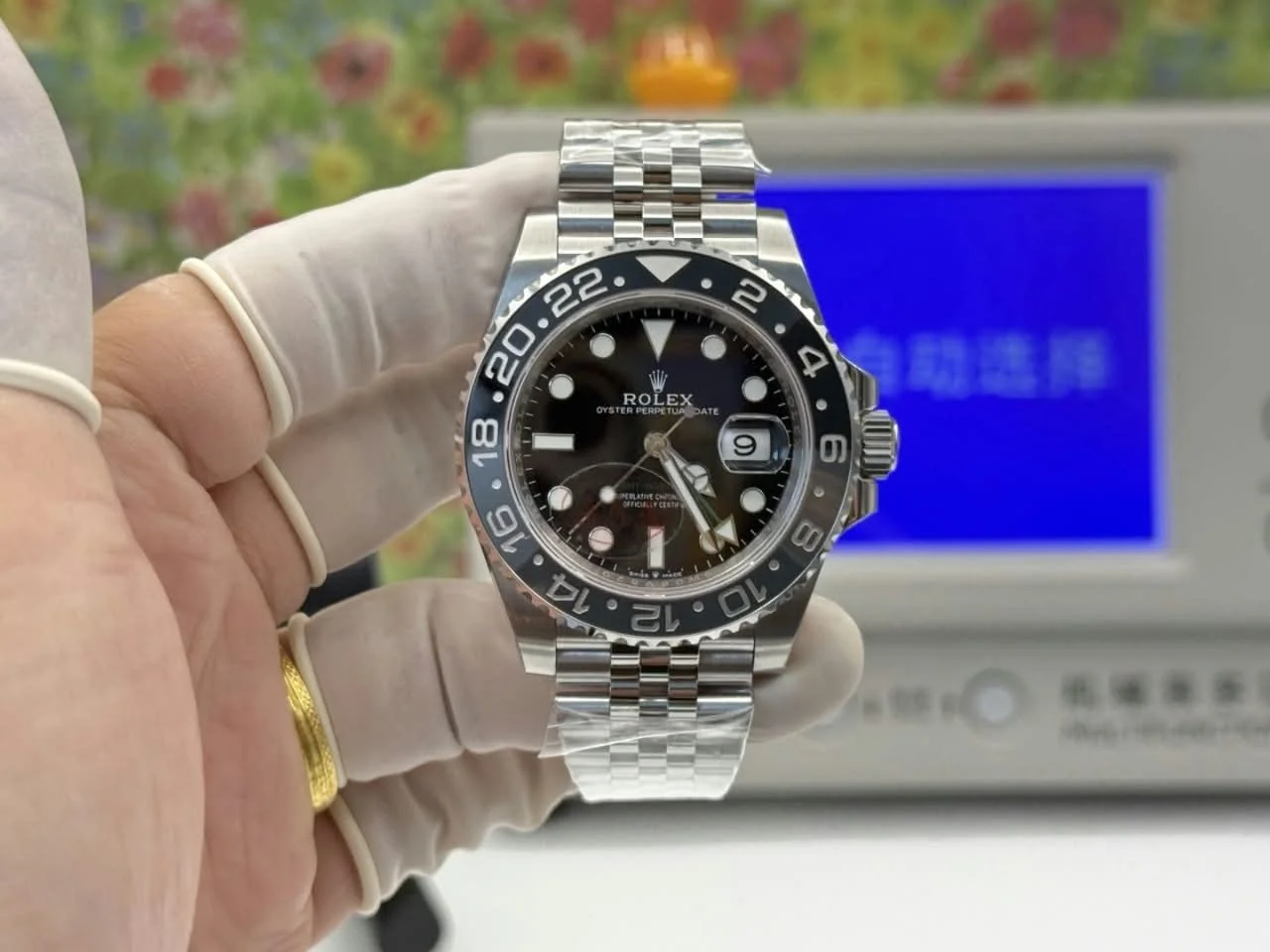
I wouldn’t swim with a VSF Submariner until that specific watch passes a pressure test.
That’s the whole answer, really. People put too much weight on the factory name, the screw-down crown, or a water-resistance number in a listing, and none of that proves the watch on your wrist is sealed well enough for a swim.
Replica water resistance varies piece to piece. Gasket condition matters. So do crystal seating, crown-tube fit, caseback tightness, and the quality of the assembly. Two VSF Subs can look the same and still give different results on a pressure tester.
VSF’s reputation tells you something about overall build quality. It does not tell you that your individual watch is sealed properly. For swimming, that’s the only question that counts.
If you’re still sorting through models, the VS Factory Watches guide goes broader on the VSF lineup, movement choices, and the differences that matter from one reference to another.
The factory name isn’t a water-resistance test
VSF is well regarded for certain Rolex-style super clones, and that reputation makes people assume the rest follows automatically. It doesn’t.
A watch can have a well-finished case, a good crystal, a solid bracelet, and a respectable movement, then still leak because one gasket is out of place or the caseback wasn’t tightened correctly. Small miss. Big consequence.
The screw-down crown creates false confidence too. If it threads down smoothly, fine, that’s a good sign. But it’s only one sealing point, and water doesn’t care where it gets in from.
The crystal can be the problem. The caseback can be the problem. The crown tube can be the problem. Any seal that’s pinched, worn, dry, or poorly seated can be the problem.
And no, cranking the crown down harder doesn’t make the watch safer. It just risks damaged threads or a badly compressed gasket. Screw it down properly and leave it there.
If you plan to swim, stop guessing and pressure test it
A pressure test is what turns this from speculation into an answer.
A watchmaker can check whether the case holds pressure before you put the movement anywhere near water. That’s useful because it tells you about the watch you received, not the watch described in a seller’s listing.
Those listings throw around numbers like 30 meters, 50 meters, 100 meters, sometimes more. Treat them as claims. Nothing else.
A printed rating tells you what someone says the watch should handle. A pressure test tells you what your watch actually holds. That’s the distinction that matters.
If swimming is part of the plan, I’d test a new VSF before the first time it goes in the water. I’d also test again after the caseback has been opened, after work on the crystal or crown, after a hard knock, or simply after enough years have passed that you no longer know the condition of the seals.
Things change. Gaskets age, parts get disturbed during service, and an old test result doesn’t guarantee anything now.
Shower steam, pool water, and salt are where people get careless
Even with a passed pressure test, common sense still applies.
I wouldn’t use the shower as some informal test. Hot water, steam, and soap aren’t a smart way to find out if a replica is sealed, because if it leaks, you’ve already made the mistake.
Pools and saltwater bring their own issues. Chlorinated water isn’t great for seals and exterior parts over time, and salt leaves residue around the bracelet, clasp, crown, and case. Rinse the outside with clean fresh water afterward if a tested watch goes into either one.
One rule is non-negotiable: never operate the crown in water.
Don’t unscrew it. Don’t wind it. Don’t change the time or date while the watch is wet or submerged. The crown needs to be fully screwed down before the watch gets near water, because the moment you open it, you’ve removed one of the main barriers keeping moisture out.
Hand washing is obviously lower risk than swimming. Still, I wouldn’t deliberately hold an untested VSF under a running tap just because it looks like a dive watch. Light splashes happen. Intentionally soaking it is something else.
Fog under the crystal means deal with it now
Condensation under the crystal is not a wait-and-see situation.
If you see fogging, moisture has already entered the case. Sometimes it’s a light haze. Sometimes it’s obvious droplets. Either way, the movement and dial are sitting in conditions they weren’t built for.
Water affects lubricants, movement parts, dial printing, hands, lume, and internal metal surfaces. Corrosion is the real worry, and it gets worse the longer that moisture stays trapped inside.
A watch can keep running and still be taking damage. That’s what catches people out.
A scratched clasp is cosmetic. Moisture inside a clone calibre is a mechanical problem waiting to spread. If you spot condensation, stop wearing the watch and get it opened and inspected instead of waiting for the movement to fail.
That matters even more with the more involved clone movements. The calibre-matched clone movements guide explains why movement choice affects serviceability and long-term ownership. A better movement is also a better reason not to gamble with water.
The practical answer
A VSF Submariner might be fine for swimming. I still wouldn’t decide that from the factory badge or the product page.
Pressure test the individual watch first.
If it passes for the kind of water use you have in mind, keep the crown secured, rinse it after pool or saltwater use, and pay attention over time.
If you aren’t going to test it, the safe move is simple:
Take it off before you swim.