
No products in the cart.
Blog
How Long Does a VSF Watch Last?
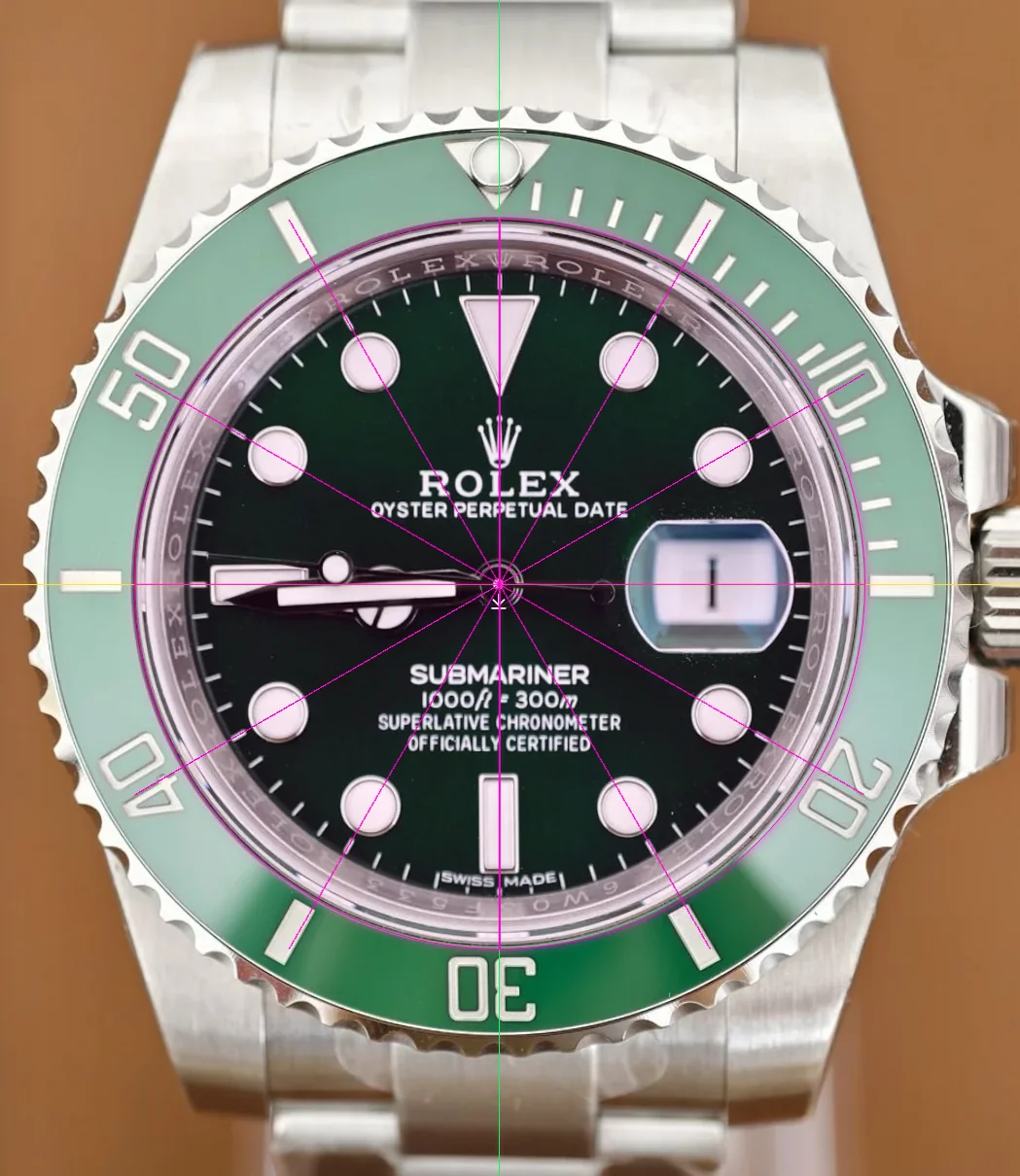
People ask this before buying a VS Factory watch for a reason: how long is it actually going to last?
There isn’t a single honest answer. A good VSF can run for years, but the factory name doesn’t decide that by itself. The movement matters. So do water exposure, knocks, how often it’s worn, whether it ever gets serviced, and the condition of that specific piece when you receive it.
That’s the right frame for this. Don’t expect every VSF watch to age the same way.
If you’re researching a VS Factory watch, the movement and the condition of the individual piece matter just as much as the factory name attached to it.
Years of use is realistic, but only with normal care
VS Factory built its name on higher-end super clone watches, especially Rolex-style models, and a solid example can hold up well through regular wear. Still, none of these are maintenance-free.
Mechanical watches are always working. Oils dry out, seals age, and a watch worn every day will rack up more wear than one that comes out a few times a month.
So yes, several years of use is a reasonable expectation for a VSF that’s in good shape and treated decently. But condition matters. Two watches from the same factory can end up with very different long-term results because assembly quality, movement health, and owner habits aren’t identical.
Ignore the factory hype and look at the movement
The listing might push the VSF label, but the movement is what decides whether the watch keeps running well. That’s what you should check before ordering.
VSF has used clone movements in a number of popular references, and those movements aren’t all equal in power reserve, serviceability, or how easy they are to live with over time. A movement that feels fine when new can still develop issues later.
If you want to understand what changes between different movement setups, the calibre-matched clone movements guide goes deeper into the movements used across different references.
Watch for changes. Rough winding, weaker power reserve, timekeeping that suddenly slips, or a date function that starts acting strangely are all signs to pay attention to.
Mechanical problems don’t sort themselves out.
How you wear it changes everything
A watch sitting in a box isn’t living the same life as one worn every day. That’s obvious, but people still skip over it.
Daily wear means more winding cycles, more use of the crown, more bracelet movement, and more contact with moisture, dust, heat, and small impacts. None of that means you shouldn’t wear the watch. It means regular use brings regular wear.
Most of the first changes are cosmetic. Scratches show up on polished surfaces, bracelet links loosen a bit, and the clasp loses that fresh, tight feel before the movement necessarily has any serious problem.
That’s normal wear, not automatic failure.
Water ruins watches faster than normal wear does
This is where people get careless.
A watch may be described as water resistant, but that doesn’t mean a replica has been tested to the same standard as the genuine version. Seal quality, crown fit, caseback tightness, and assembly can vary from one watch to another.
If you plan to swim with it, get it pressure tested first. Otherwise, keep it away from pools, showers, and long exposure to water.
Moisture inside the case can damage a movement much faster than ordinary use ever will.
Impacts count, even if the watch keeps running
Mechanical movements can handle normal wrist motion. Hard hits are another story.
Drop the watch, smack it against a door frame, or wear it during activities with repeated vibration, and you can affect movement parts, hands, markers, or the bracelet.
Sometimes the damage is obvious right away. Sometimes the watch keeps running, but the accuracy shifts afterward.
If a VSF suddenly starts gaining or losing much more time after a hit, don’t shrug it off.
Servicing isn’t mandatory right away, but it does matter
Some buyers treat replica watches as disposable. That’s a choice, not a rule.
A higher-end rep with a serviceable movement can keep going much longer if it’s maintained instead of worn until something finally gives out.
That doesn’t mean servicing a perfectly healthy watch every few months. It means dealing with problems early, while they’re still small.
There’s one practical issue here. Not every watchmaker wants to work on clone movements, so it’s smart to find out what your local options look like before you buy.
Pay attention to power reserve and accuracy
Two of the easiest things to monitor are how long the watch runs after a full wind and how steadily it keeps time.
If it used to run for a decent stretch and now stops much sooner, something inside may have changed. That could point to lubrication issues, a mainspring problem, the automatic winding system, or something else mechanical.
It doesn’t automatically mean the movement is done.
Accuracy tells a similar story. Mechanical watches aren’t quartz, so some variation is normal. A sudden big change isn’t.
Magnetism, shock, regulation issues, or internal wear can all push the watch off its previous pattern. The main thing is noticing the shift, not obsessing over tiny cosmetic marks while the watch’s behavior is clearly changing.
The bracelet may look old before the movement acts old
People tend to focus on the movement first, but the parts you touch every day often show age earlier.
Bracelet links can loosen gradually. Clasps pick up scratches. Polished center links mark up fast, especially on a watch that’s in steady rotation.
That kind of wear doesn’t tell you the movement is failing.
A five-year-old watch can look pretty beat up and still run fine, while another one can look nearly new and already need mechanical attention. You have to judge the whole watch, not one surface.
Simple habits that help a VSF last longer
A few habits make a real difference.
- Keep it away from unnecessary water unless it’s been properly pressure tested.
- Don’t force the crown if it suddenly feels stiff or rough.
- Avoid changing the date during the period when the movement may already be engaging the date-change mechanism.
- Keep it away from strong magnets when you can.
- Skip wearing it during activities with repeated hard impacts.
- Pay attention when its behavior changes.
That last one matters most. A strange noise, shorter running time, rough winding, or a sudden accuracy change is easier to deal with early than after the movement stops altogether.
Before accepting a new watch, it also helps to know how to read QC photos before approval so obvious alignment, finishing, or cosmetic issues don’t get missed before shipment.
So how long does a VSF watch last?
No one can promise an exact lifespan, and anyone who does is guessing.
Some VSF watches run for years with barely any attention. Others need work sooner. The individual movement matters just as much as the factory name in the sales post.
A healthy VS Factory watch can realistically stay usable for several years when it’s treated reasonably and serviced when necessary. It shouldn’t automatically be thought of as something that dies after a year or two, but it isn’t a lifetime guarantee either.
The factory reputation gives you a starting point. Movement condition, QC, maintenance, water exposure, and how the watch is worn determine much more of what happens after that.
Buy the right reference, verify the movement, look over QC carefully, avoid unnecessary abuse, and deal with changes before they turn into bigger repairs.
The VS Factory name is only the starting point. What happens after that depends on the watch you get and how you treat it.