No products in the cart.
Official 1:1 Super Clone Category
Audemars Piguet
Audemars Piguet Super Clone
Audemars Piguet looks “simple” on paper, then you compare two Royal Oaks side by side and realize how picky the finishing really is. The bezel, the bracelet, and the case profile all have to line up visually and physically. Get even one transition off, and the watch can feel wrong on the wrist even if the dial looks great in a listing photo.
This write-up covers Audemars Piguet super clones across Royal Oak, Royal Oak Offshore, and other AP references, including differences in dial colors, case materials, and movement setups. You’ll see factory names like APSF and ZF in comparisons. Those names are starting points, not answers. The specific reference you’re buying matters more than the label on the page.
Before you shop, scan the watches first. If you’re still learning how factories, movements, and QC usually work, use our super clone watch buying guide as your baseline.
Choose the AP Style First: Royal Oak, Offshore, Perpetual Calendar, Code 11.59
Start with the collection because the “feel” changes fast once you move away from classic three-hand Royal Oak.
The Audemars Piguet Royal Oak collection is where small differences show up quickly. Case thickness, bezel proportions, dial texture, and bracelet finishing can make two versions of the same general model look similar online but wear very differently.
If you want something bigger and more aggressive, look at the Royal Oak Offshore collection. Offshore models add more going on—larger cases, chronograph layouts, pushers, and straps that change the way the watch sits.
For complicated dial layouts, the Royal Oak Perpetual Calendar collection is a different world. People also branch out into AP Code 11.59 models when they want a more modern design language.
How to Compare AP Super Clones Without Getting Tricked by Photos
Most buyers begin with the dial. That makes sense because it’s the first thing your eyes catch.
Still, the dial is only half the story. A Royal Oak can have a convincing face and still feel off because the bracelet finishing doesn’t match the case, the bezel transition isn’t crisp, or the case sits differently on the wrist.
Those details are harder to judge from a single straight-on image. A side-by-side comparison usually reveals what matters—fast.
Case shape: the part you notice when it “feels flat”
The Royal Oak case isn’t just a round watch with an octagonal bezel slapped on. The join between bezel, mid-case, and bracelet is designed to flow. On good versions, edges look defined. Brush lines meet polished areas in intentional spots.
On weaker versions, those transitions can look softer. Sometimes it won’t be obvious in one photograph. Put two watches together, though, and one will suddenly look flatter in profile.
Thickness also changes the experience. Three-hand Royal Oak references especially can look “right” from above while still sitting taller than expected. That shifts the whole silhouette.
If you’re using QC photos for comparison, read them with intent. Our how to read QC photos before approval guide explains what to check without spending hours zooming into every pixel.
Bezel work: more than just eight sides
The bezel is one of the easiest Royal Oak details to recognize—and one of the hardest to get consistently right.
Check the overall outline, the width of the bezel sides, how sharp the edges look, and the brushing direction. Then inspect the polished transitions and where the bezel meets the case. Finally, check screw seating.
People get stuck on whether every screw looks mathematically perfect. That’s not the real test. What matters is whether the screws sit consistently and whether anything visibly breaks the symmetry of the bezel.
Then you’ll notice the next thing. And the next. That’s how QC turns into a checklist in your head.
If you want a focused breakdown, see our bezel alignment guide.
Tapisserie dial: depth, not just the pattern
The Tapisserie grid is a signature feature, and it’s also a common weak spot. On better dials, the pattern has visible depth without looking exaggerated. Printing should sit cleanly over the texture.
Markers should look balanced, and the dial should stay convincing under changing light. Poor executions often look too flat or oddly shiny.
Here’s the trap: some dials photograph well under controlled lighting and then look less convincing in normal room light. That’s why you should see the actual selected watch when possible, not just factory promotional images.
Also check the practical layout items: AP logo placement, minute track, marker spacing, date-window position, hand length, and dial color.
Blue deserves extra attention. There are multiple “AP blue” versions, and lighting can swing the color dramatically—from near-navy indoors to brighter tones near a window.
One photo isn’t enough for judging a blue dial.
Bracelet finishing: comfort lives here
Dial obsession is common. Bracelet inspection should be just as routine.
On a Royal Oak, the bracelet isn’t an add-on. Link taper, articulation, and how the bracelet catches light all affect how the watch wears. You want it to move naturally instead of feeling stiff or blocky.
Look at the first links leaving the case, the gaps between links, and how brushed surfaces transition to polished ones. Then check the clasp. A bracelet can look polished in images and still feel rough at the edges or articulate badly once you handle it.
That’s why bracelet checks belong in QC, not as a cosmetic afterthought. If you want the argument spelled out, read why bracelet quality matters more than most buyers think.
APSF vs ZF: What the Factory Name Can and Can’t Tell You
“Which factory is best?” is the wrong question for most buyers. There isn’t a universal winner.
APSF and ZF show up frequently in Royal Oak replica research. One version might match your preference on case profile, while another could fit your priorities better on dial, bracelet, or movement setup.
Factory reputation is useful as a starting point. It shouldn’t replace inspection of the exact watch you’re buying.
Factories revise products. Batches change. Dials get updated. Movement runs can shift. A comparison written years ago might not match the piece currently for sale.
So compare by reference and by the current example, not just by the familiar factory name in the listing title.
Reference Quick Checks: 15500, 15400, 15510, and Offshore
Royal Oak 15500
The Royal Oak 15500 is usually easier to compare because the layout is clean and still unmistakably Royal Oak.
With no chronograph display to distract you, dial, bezel, and bracelet finishing carry more weight. For a 15500, spend time on the case profile, Tapisserie texture, date alignment, marker placement, bezel finishing, bracelet articulation, and the movement configuration.
Blue dials get lots of attention, but black and gray can sometimes be easier to judge because lighting changes them less aggressively.
A good 15500 looks balanced. You’ll know it when you place it next to one that isn’t.
Royal Oak 15400
The Royal Oak 15400 stays popular because its proportions tend to work well on many wrists.
Like the 15500, it’s simple enough that finishing issues stand out. A poorly shaped bezel or rough bracelet can’t hide behind extra complications.
If you’re deciding between 15400 and 15500, don’t pick purely from a front-facing image. Compare dimensions, dial layout, and how the bracelet sits against the case.
Some buyers prefer the older reference’s visual balance even if newer models get more attention online.
Royal Oak 15510
The Royal Oak 15510 can look close to earlier models at first glance, but reference-specific details do change.
That’s why generic listing titles aren’t enough. Confirm that dial features, markers, case details, and the bracelet match the exact reference being sold. Not every 41 mm Royal Oak is “basically the same watch.”
The more visually similar versions get, the more you have to pay attention to those small differences.
Royal Oak Offshore
Royal Oak Offshore is a different feel. It’s larger, louder visually, and it usually feels more substantial on-wrist.
Extra complexity also means extra QC points. On chronograph models, check subdial spacing, chronograph hands, date position, pushers, crown feel, bezel alignment, case thickness, and strap fit.
A great-looking dial doesn’t fix subdials that sit wrong or a chronograph that doesn’t operate properly.
If Offshore is your preference, compare within the dedicated AP Royal Oak Offshore models rather than forcing it to match the thinner three-hand Royal Oak experience.
Movement and QC: What Matters Once the Watch Is in Your Hands
Movement talk often turns into a contest about which caliber looks closest through a transparent caseback.
Appearance can matter. It does. But reliability and real function matter more once the watch is on your wrist.
A decorated movement can look impressive and still be annoying to service. A less showy movement can sometimes be easier to maintain.
Ask the practical questions instead: does the movement match the model’s setup, do the functions operate correctly, does the crown feel normal when winding and setting, does the date change correctly, and does the watch keep running consistently?
If you’re weighing movement options, our clone movement vs Swiss ETA guide covers the tradeoffs in more detail.
QC should treat every piece as its own unit. A factory name isn’t a guarantee.
During QC, focus on things you can verify: dial and marker alignment, date placement, bezel condition, screw seating, case finishing, crown operation, bracelet and clasp function, visible exterior damage, movement operation, and the overall configuration of the watch.
Two watches with the same reference and the same factory name can still arrive with small differences. That’s why rejecting a problematic individual piece is usually smarter than trying to rationalize an obvious defect.
If this is your first time approving QC photos, read our QC photo guide first. It covers bezel, dial, markers, date, crystal, bracelet, and the common mistake of zooming so far that every watch starts looking flawed.
Water Resistance: The Rating Doesn’t Transfer Automatically
Don’t assume a replica has the same water resistance as the genuine reference just because the original carries a rating.
Water resistance comes down to the specific watch: assembly quality, seals, crown fit, crystal, and caseback alignment.
If water resistance matters to you, pressure testing the actual watch is the only way to approach it responsibly. After testing, results can still change over time as seals age, or after the watch gets opened for adjustment or servicing.
In other words: take the rating as a starting point, not a promise.
Which AP Super Clone Should You Buy?
There’s no single “right” answer.
For a first AP, a three-hand Royal Oak is usually the cleanest path because there are fewer moving parts to evaluate. The 15400, 15500, and 15510 are common starting points.
If you want something bigger and more aggressive, pick the Royal Oak Offshore direction. If you want more complex dial layouts, the Royal Oak Perpetual Calendar collection is the obvious place to look.
Then decide what matters most to you: reference choice, wrist size, dial color, bracelet versus strap, factory, movement, case material, and your budget. After that, compare the available versions of that exact setup.
Starting from “Which factory is best?” forces every reference into the same box. Better to choose the watch you want, then verify the piece you’re actually ordering.
AP replicas are interesting because the details that matter most aren’t always obvious in a listing photo.
The dial gets attention first. The bezel and bracelet usually decide whether the watch feels right once it’s in your hands.
Case thickness matters. Link articulation matters. Brushing matters. Even how the first bracelet links leave the case can change how convincing the whole watch feels.
These pieces aren’t genuine Audemars Piguet watches, and no replica is perfect. The practical approach is simple: understand where differences show up, decide which ones you care about, and inspect the specific watch before it ships.
If you want more detail on movements, bracelets, bezels, QC, and other parts that are hard to judge from photos, keep going through our watch guides and factory reviews.
-

-
Audemars Piguet
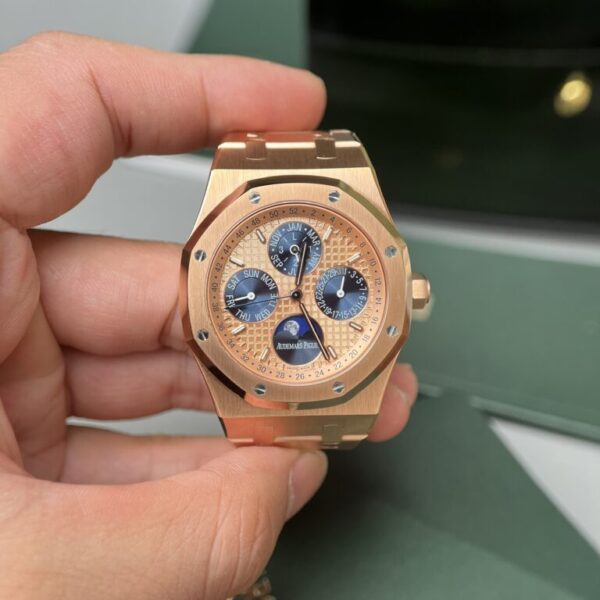
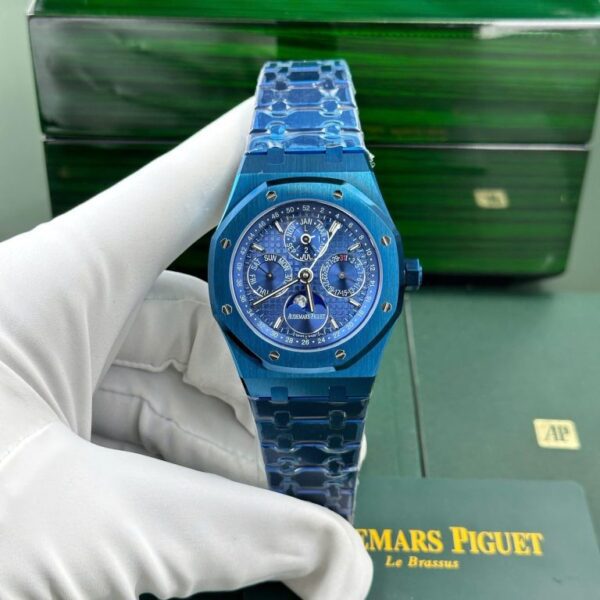
Audemars Piguet Royal Oak Perpetual Calendar 26579CS Blue APS 41mm Super Clone
$1,500.00 -
-
-
-
Audemars Piguet
Audemars Piguet Royal Oak Openworked Yellow 15407 Skeleton Dial THB Factory 41mm
$1,500.00 -
Audemars Piguet
Audemars Piguet Royal Oak 15416 Skeleton Dial Black Ceramic THB Factory 41mm Super Clone
$1,500.00 -
-
Audemars Piguet
Royal Oak Openworked 16204 SS ZF 1:1 Best Edition Skeleton Dial on SS Bracelet A7124
$1,400.00 -
Audemars Piguet
Audemars Piguet Royal Oak Openworked Frosted 15412 Skeleton Dial Bezel Stone Baguette 41mm
$1,500.00 -
-
-
Audemars Piguet
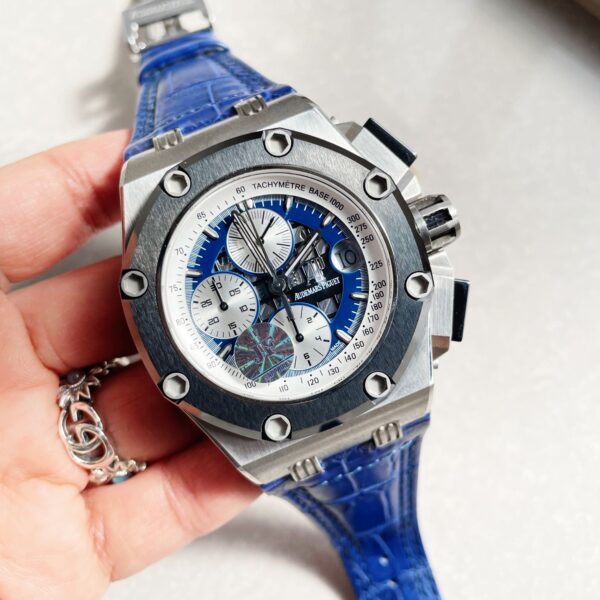
Royal Oak Offshore Rubens Barrichello Ii 26078PO Blue Dial Blue leather Strap
$1,400.00 -
Audemars Piguet
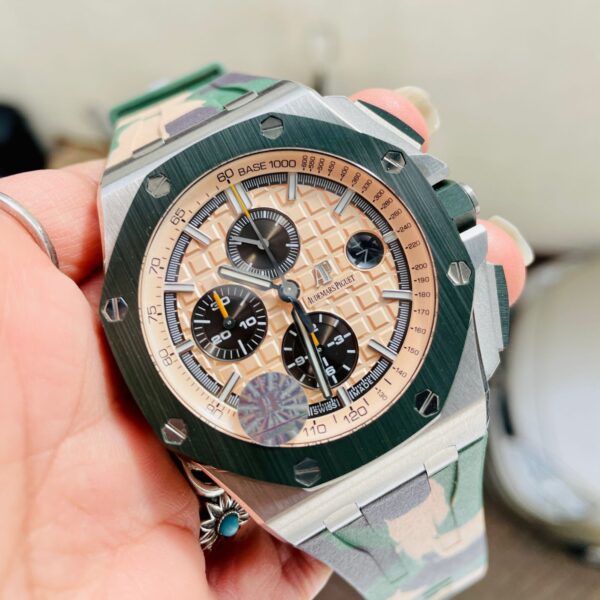
Royal Oak Offshore Chronograph “CAMO” 26400SO Beige colored textured dial Camouflage rubber strap
$1,400.00 -
Audemars Piguet
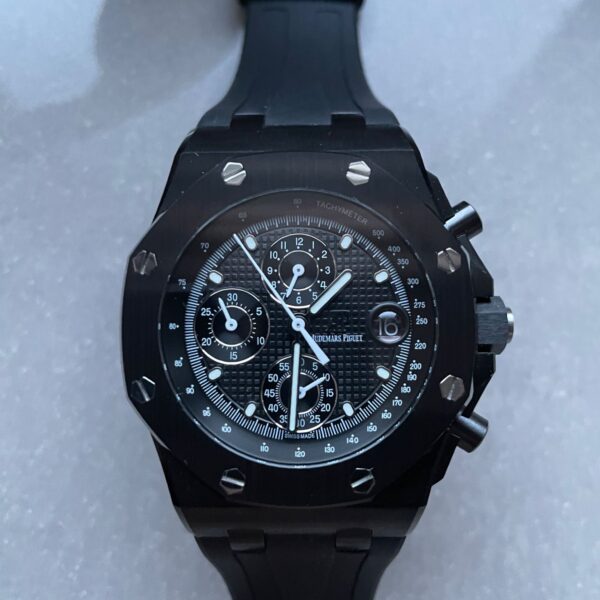
Royal Oak Offshore Chronograph CER Black Dial on Rubber Strap APF A3126 Mod
$1,400.00 -
Audemars Piguet
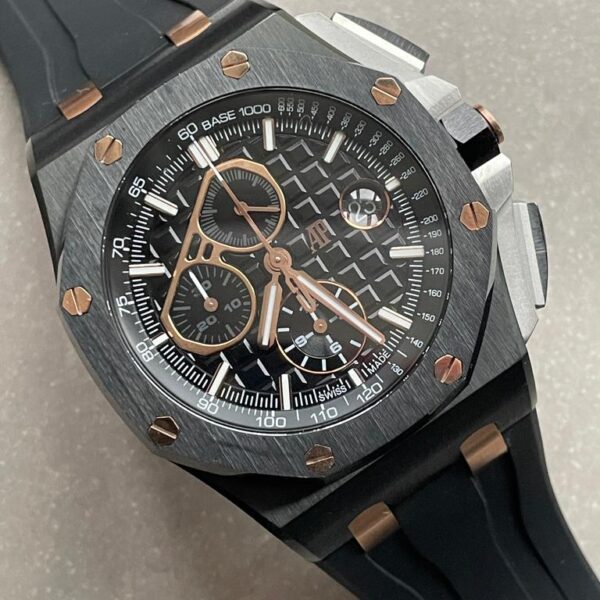
Royal Oak Offshore Chronograph CER Black Dial on Rubber Strap APF A3126 Mod
$1,400.00